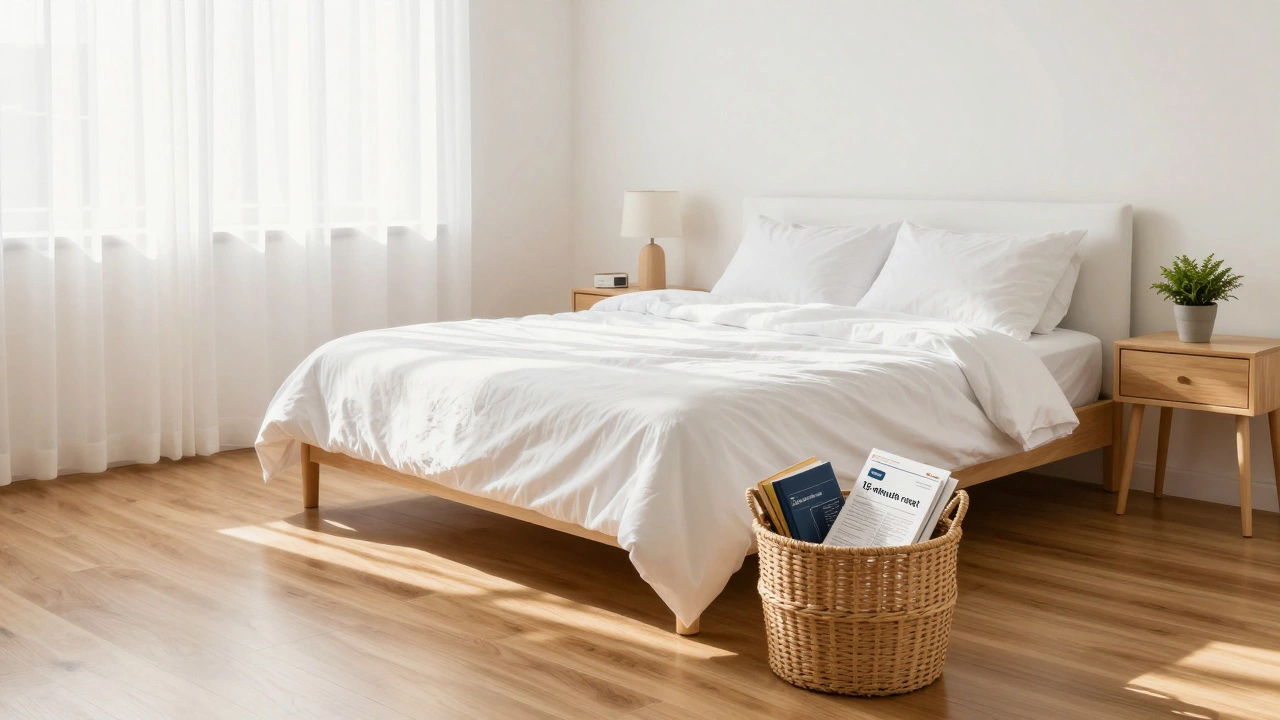
Bedroom Decluttering Progress Tracker
There is nothing quite as stressful as staring at a mountain of clothes on your chair or tripping over shoes by the bed. You want peace, but you’re stuck in chaos. The good news? You don’t need a weekend to fix it. You can transform your bedroom from a cluttered mess into a calm sanctuary in under an hour if you know exactly where to start.
We aren't talking about a deep clean that requires scrubbing baseboards. We are talking about strategic decluttering. This approach focuses on visual noise and physical obstacles. By removing what doesn’t belong and organizing what stays, you create space-not just physically, but mentally. Here is how you do it fast, without burning out.
The 15-Minute Reset Strategy
Speed comes from focus. If you try to organize every drawer while also throwing away old socks, you will stall. Instead, use the "Reset" method. This technique treats your bedroom like a hotel room after checkout. Everything gets put back in its proper place, and anything that doesn’t have a home gets removed.
- Set a timer: Give yourself 15 minutes. This creates urgency and stops you from overthinking.
- Clear surfaces first: Nightstands, desks, and dressers are the most visible areas. Pick up everything that isn’t permanently attached (like lamps) and put it in a box or basket nearby.
- Strip the bed: A messy bed makes the whole room look messy. Put sheets in the hamper and pull on a fresh set, or just smooth out the duvet if laundry isn’t an option today.
- Return items: Go through the box of items from your surfaces. Only put back what belongs there. If it’s a book, put it on the shelf. If it’s mail, take it to the kitchen.
This immediate reset gives you a clear canvas. Now that the surfaces are clear, you can tackle the bigger sources of clutter: clothes and floor space.
The Clothing Purge: Speed Over Sentiment
Clothes are usually the biggest culprit in bedroom clutter. They spill out of drawers, pile up on chairs, and fall onto the floor. To declutter fast, you need to stop being sentimental and start being practical. Use the "One-Year Rule": if you haven’t worn it in the last year, it goes.
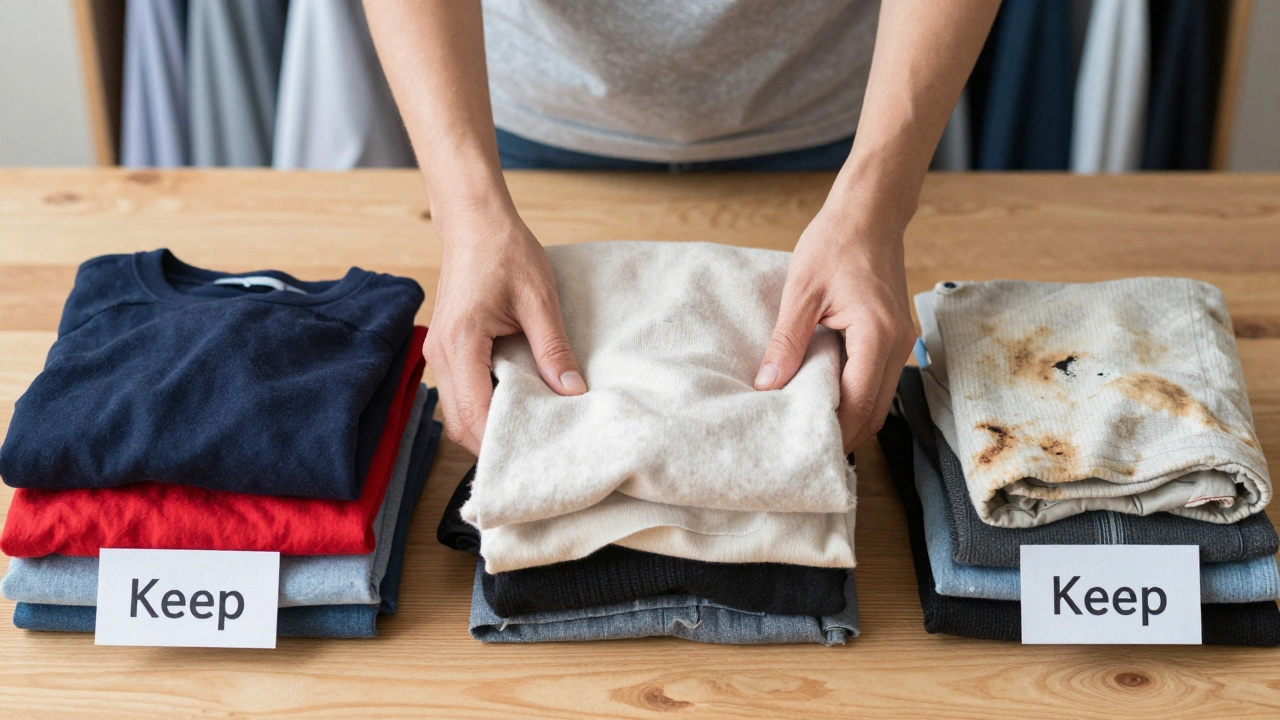
Create three piles: Keep, Donate/Sell, and Trash. Be ruthless with the Trash pile. Stained shirts, underwear with stretched elastic, and socks without pairs do not deserve space in your life. For the Donate pile, do not bag them up yet. Leave them loose so you can quickly reassess if you hesitate. If you find yourself arguing with an item, ask yourself: "Would I buy this again right now at full price?" If the answer is no, let it go.
For the items you keep, fold them using the vertical folding method. This allows you to see every shirt at once, preventing the "Jenga tower" effect where pulling one shirt collapses the whole stack. This small change makes your drawers look instantly organized and saves time when getting dressed.
Floor Space: The Visual Clutter Killer
A cluttered floor makes a room feel smaller and more chaotic than it actually is. Your goal is to maximize open floor space. Start by picking up everything on the ground. Shoes, bags, gym clothes-they all need homes.
| Item | Problem | Fast Solution |
|---|---|---|
| Shoes | Trip hazard, looks messy | Use a shoe rack or hanging organizer under the bed |
| Bags | Visual noise | Hang on hooks behind the door or use a dedicated closet rod |
| Gym Gear | Odor, wrinkling clothes | Keep a specific bin in the closet for "dirty but wearable" items |
| Books/Magazines | Dust collectors | Stack neatly on a nightstand or donate excess copies |
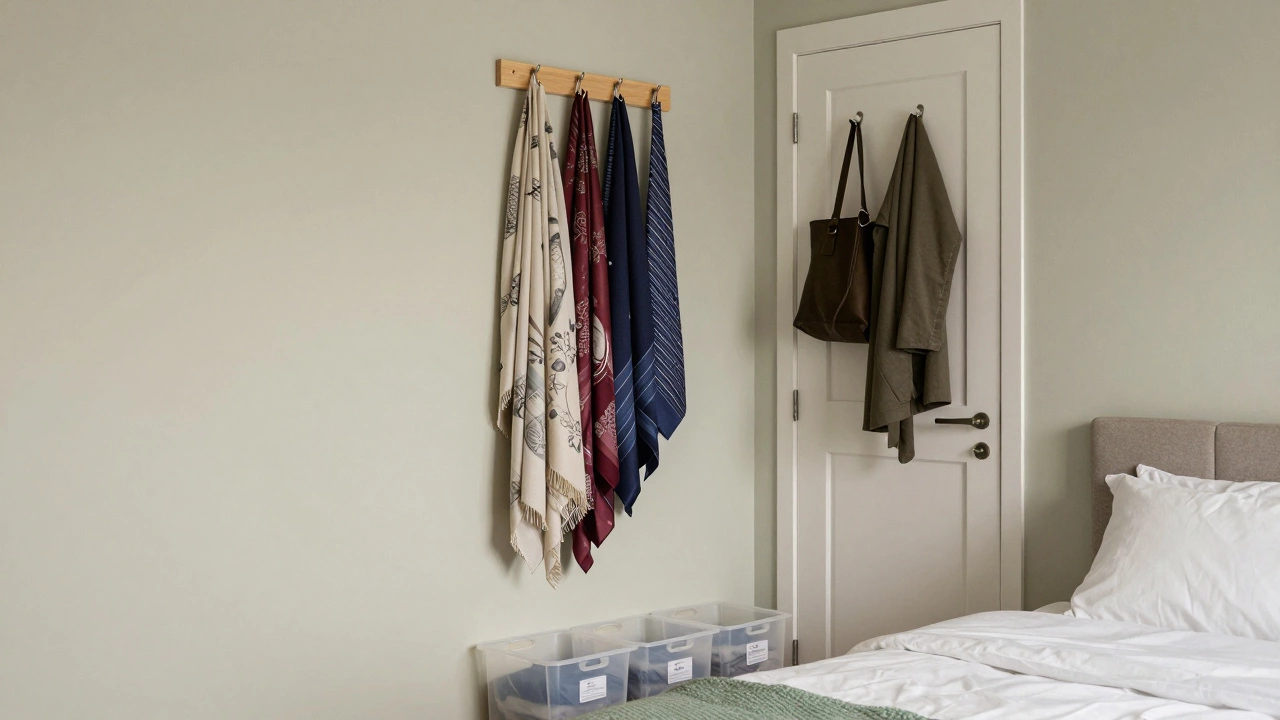
If you lack closet space, look vertically. Hooks behind the door are cheap and effective. Under-bed storage containers are perfect for seasonal clothing or extra bedding that you rarely touch. Remember, if an item doesn’t have a designated spot, it will end up on the floor. Create a home for everything before you let it stay.
Smart Storage Solutions That Actually Work
You don’t need expensive furniture to declutter. Sometimes, the right container changes everything. When choosing storage solutions, prioritize visibility and accessibility. Opaque bins hide clutter, which sounds good until you forget what’s inside and buy duplicates. Clear bins or labeled boxes help you maintain order because you can see what you have.
- Drawer Dividers: These are essential for small items like jewelry, socks, and underwear. They prevent items from shifting and keep drawers looking tidy even when they’re full.
- Hanging Organizers: Perfect for scarves, ties, or accessories. They utilize empty closet space and keep items visible.
- Under-Bed Rollers: If your bed has clearance, these allow you to store bulky items like comforters or suitcases without lifting heavy lids.
Avoid buying storage before you’ve purged. It’s tempting to think, "If I just get more shelves, I’ll have room." But more storage often leads to more stuff. Only invest in organizers for the items you’ve decided to keep.
Maintaining the Clutter-Free Zone
Decluttering is easy; staying decluttered is hard. The key is to build habits that prevent clutter from returning. Adopt the "One In, One Out" rule. For every new item you bring into your bedroom, one old item must leave. This keeps your inventory stable and prevents accumulation.
Also, implement a nightly "10-minute tidy." Before you go to sleep, spend ten minutes putting things back where they belong. Make your bed, hang up your clothes, and clear your nightstand. This small daily effort prevents the weekly crisis of a messy room. It’s not about perfection; it’s about consistency. A slightly imperfect but functional room is better than a perfectly organized one that you’re afraid to use.
Finally, be kind to yourself. Some days will be messier than others. Life happens. If you slip up, just reset. Pick up the floor, strip the bed, and start fresh tomorrow. Your bedroom should serve you, not stress you. By focusing on speed and simplicity, you reclaim your space and your peace of mind.
How long does it take to declutter a bedroom?
A basic reset can be done in 15-30 minutes. A deeper declutter, including sorting clothes and organizing drawers, typically takes 1-2 hours. The key is to work in focused bursts rather than trying to do everything at once.
What should I throw away first when decluttering?
Start with obvious trash: expired medications, broken electronics, stained clothing, and junk mail. Removing these low-value items quickly reduces volume and builds momentum for harder decisions.
How do I deal with sentimental clutter?
Limit sentimental items to one box or one shelf. Take photos of items you want to remember but don’t need physically. Store the rest in a less accessible location, like the top of a high cabinet, to keep your living space clear.
Is it okay to use under-bed storage?
Yes, under-bed storage is excellent for seasonal items, extra bedding, or luggage. Just ensure the containers are clear or well-labeled so you don’t forget what’s stored there and duplicate purchases occur.
What if I don’t have enough closet space?
Maximize vertical space with hooks behind doors, over-the-door organizers, and tall shelving units. Also, consider rotating seasonal clothing-store off-season items elsewhere to free up current closet space.