
Medicare Bed Coverage Calculator
Bed Coverage Calculator
Determine if your bed qualifies for Medicare coverage and estimate your out-of-pocket costs
If you’re struggling to sleep because of a medical condition-like chronic pain, arthritis, COPD, or mobility issues-you might be wondering if Medicare will cover a new bed. The short answer: yes, but only under specific conditions. Medicare doesn’t pay for just any bed. It covers beds classified as durable medical equipment (DME), and only if your doctor says it’s medically necessary.
What Kind of Bed Does Medicare Cover?
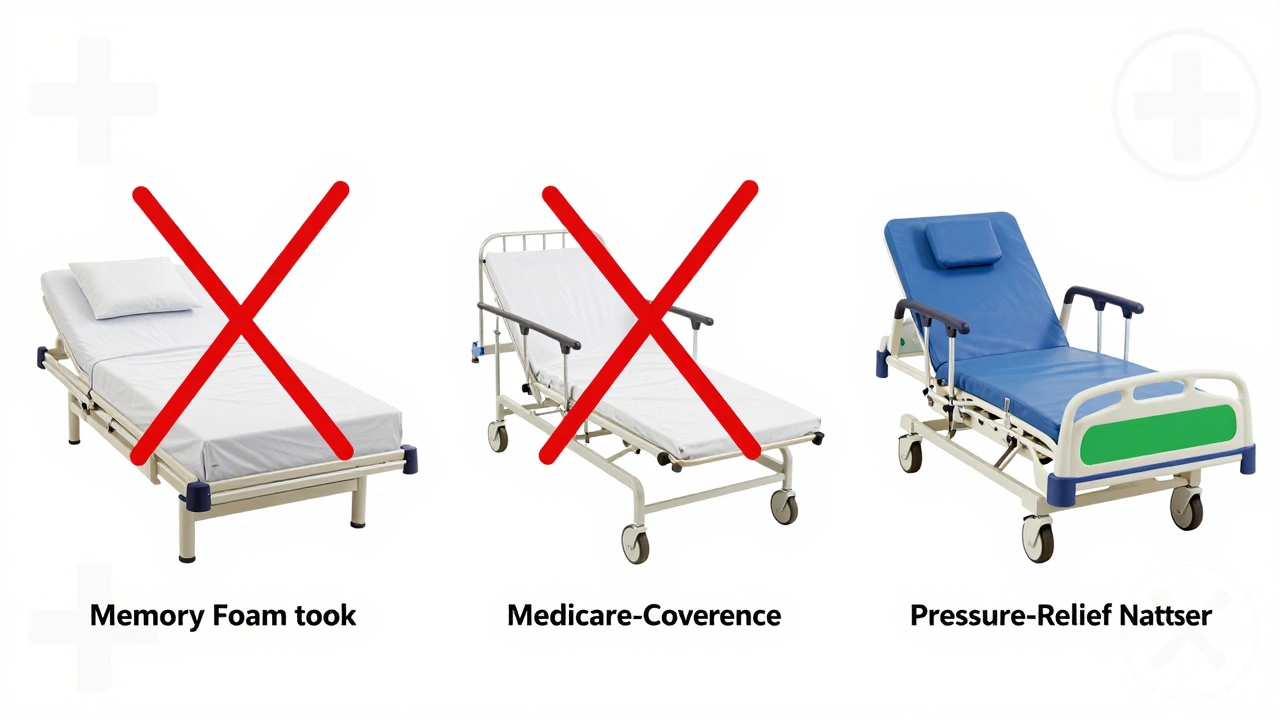
Medicare doesn’t cover fancy adjustable beds just because you want more comfort. It only pays for beds that serve a clear medical purpose. The most common types covered include:
- Electric or semi-electric hospital beds
- Adjustable beds with features like head and foot elevation
- Beds with side rails for safety
- Beds with pressure-relieving mattresses (like those for preventing pressure ulcers)
These beds must be prescribed by a Medicare-enrolled doctor and supplied by a Medicare-approved DME supplier. A regular mattress or a memory foam topper won’t qualify-even if it helps your back. The bed must be designed for medical use, not just improved comfort.
How to Prove Medical Necessity
To get Medicare to pay, you need proof that the bed is essential for your health. This means:
- Your doctor writes a detailed letter or prescription stating why you need the bed.
- The letter must list your diagnosis-like severe osteoarthritis, spinal stenosis, or congestive heart failure.
- It must explain how the bed helps: for example, reducing pressure sores, improving breathing, or preventing falls.
- Your doctor must also confirm that you can’t use a regular bed safely or comfortably.
Medicare won’t approve a bed just because you’re tired or your current mattress is old. They need clinical evidence. If you have a wound care specialist, physical therapist, or home health nurse, their notes can also support your case.
What’s Covered and What’s Not
Medicare Part B covers 80% of the approved cost for the bed itself. You pay the remaining 20%, plus any deductible you haven’t met. But here’s the catch: Medicare only pays for the cost of the bed up to its approved amount. If you choose a more expensive model, you pay the difference.
For example, if Medicare approves $1,200 for a hospital bed and you pick one that costs $1,800, you pay $600 extra. The supplier must give you an Advanced Beneficiary Notice (ABN) before you buy it-this form warns you if Medicare won’t cover the full cost.
Medicare does NOT cover:
- Regular mattresses or mattress toppers
- Adjustable bases without a medical bed frame
- Smart beds with Bluetooth or sleep tracking
- Bed frames without medical features
- Accessories like pillows or cushions unless they’re part of a covered DME system
Even if a cushion is labeled “medical-grade,” Medicare won’t pay for it alone unless it’s part of a pressure-relieving mattress system that’s been prescribed.
How to Find a Medicare-Approved Supplier
You can’t just buy a bed from Amazon or a furniture store and expect reimbursement. Medicare requires you to get the bed from a supplier enrolled in Medicare. To find one:
- Go to Medicare.gov and use the “Find a Supplier” tool.
- Call 1-800-MEDICARE and ask for a list in your area.
- Ask your doctor or physical therapist for a recommended supplier.
Make sure the supplier handles all the paperwork for you. A good DME supplier will submit the claim to Medicare, get your doctor’s certification, and deliver the bed with setup instructions. Avoid suppliers who push you to buy before getting Medicare approval.
What If Medicare Denies Your Request?
Denials happen. Maybe your doctor’s note wasn’t detailed enough, or Medicare thinks your condition doesn’t meet their criteria. Don’t give up. You can appeal.
Here’s how:
- Get a copy of the denial letter-it explains why Medicare refused.
- Ask your doctor to rewrite the letter with more clinical detail, maybe adding test results or photos of pressure sores.
- Submit a written appeal within 120 days.
- Include any new evidence: notes from a home health nurse, a physical therapy evaluation, or a sleep study.
Many appeals succeed if you provide stronger documentation. If your case is complex, contact your local State Health Insurance Assistance Program (SHIP) for free counseling.

Other Ways to Get Financial Help
If Medicare won’t cover your bed or you can’t afford your 20% share, here are other options:
- Medicaid: If you qualify, Medicaid often covers the full cost of DME, including beds.
- Veterans Affairs: If you’re a veteran, VA benefits may cover a medical bed if it’s related to service-connected conditions.
- Nonprofit organizations: Groups like the National Association of Area Agencies on Aging or local charities sometimes offer grants for medical equipment.
- Rental programs: Some suppliers rent hospital beds for $50-$100/month. This can be a good short-term fix.
Don’t assume you have to pay out of pocket. Many people miss out on help because they don’t ask.
What About Cushions or Mattress Pads?
You might think a special cushion or foam pad would help-and it might. But Medicare rarely covers them alone. They only pay for pressure-relieving cushions if they’re part of a full DME system, like a specialty mattress for someone with stage 3 or 4 pressure ulcers.
If you have a wound care specialist, they can prescribe a pressure-redistribution mattress overlay that’s covered. But a simple memory foam topper from Target? Not covered. Same goes for donut cushions or gel pads. These are considered comfort items, not medical equipment.
Still, if your doctor says you need a cushion to prevent skin breakdown, make sure it’s documented in your medical record. Sometimes, if you already have a covered bed, adding a covered cushion can be approved as an accessory.
Bottom Line: It’s Possible, But It’s Not Easy
Getting Medicare to pay for a new bed isn’t automatic. It requires paperwork, proof, and patience. But if you have a legitimate medical need, it’s absolutely worth the effort. Start by talking to your doctor. Get the prescription right. Find a Medicare-approved supplier. And don’t accept a no without asking why.
Many people end up paying for a medical bed out of pocket because they assume Medicare won’t help. But thousands get approved every year. You just need to follow the rules.
Can Medicare pay for a bed if I’m not in a hospital?
Yes. Medicare covers medical beds for use at home, in assisted living facilities, or in nursing homes-as long as your doctor says it’s medically necessary and you’re enrolled in Medicare Part B. You don’t need to be hospitalized to qualify.
How long does it take to get approved?
If your doctor submits everything correctly, approval can take 5 to 10 business days. The delivery usually takes another 1-2 weeks. Delays happen if the documentation is incomplete or if Medicare requests more info. Getting your doctor’s note detailed from the start speeds things up.
Do I need to rent before I buy?
No, Medicare doesn’t require you to rent first. But some suppliers offer rental options if you’re unsure whether you’ll need the bed long-term. If you rent and later decide to buy, Medicare will still cover 80% of the purchase price-only if the rental was with a Medicare-approved supplier.
Can I get a bed if I have a Medicare Advantage Plan?
Yes. Medicare Advantage plans must cover everything Original Medicare covers, including durable medical equipment. But the process might be different. You may need to use a network supplier or get prior authorization. Call your plan’s member services to confirm the steps.
What if I need the bed right away?
If your condition is urgent-like you’re at risk of a fall or developing pressure sores-tell your doctor. They can request expedited review. Some suppliers offer emergency delivery for medically necessary items. Don’t wait if your health is at risk.