Sofa Quality Score Calculator
Input the specifications of the sofa you are considering to get an estimated quality score (0-100) and expert advice.
You walk into a showroom, and there it is: a plush, inviting sofa that looks like the centerpiece of your living room dreams. The price tag makes you wince, but you think, "Well, good things cost money." Three years later, the cushions are flat pancakes, the legs are wobbling, and the fabric has pilled so badly it looks like it survived a cat attack. Sound familiar? Buying a sofa is one of those big-ticket home investments where looking good and lasting long don't always go hand in hand. Most people buy based on comfort and style, ignoring the hidden mechanics that determine whether that piece will survive a decade or just a lease.
So, how do you actually tell if a sofa is built to last before you drop thousands on it? It’s not about brand names or flashy marketing. It’s about digging into the bones-the frame, the suspension, the filling, and the fabric. Here is how to inspect a sofa like a pro, ensuring you get value for your money.
Check the Frame: The Skeleton Matters Most
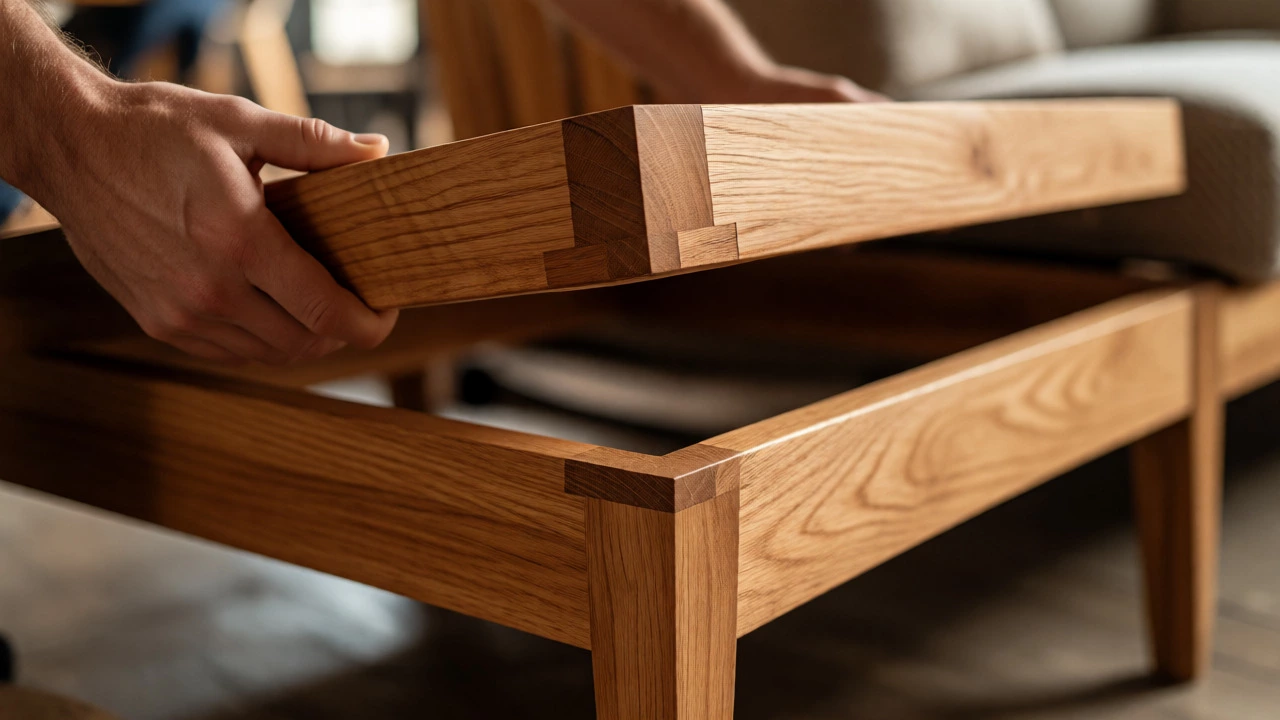
If the frame fails, everything else is irrelevant. You can replace cushions, reupholster fabric, and fix springs, but you cannot easily fix a broken frame without turning the whole thing into kindling. When you lift a sofa by one armrest, does the other side lift with it? If the opposite corner stays glued to the floor while you’re holding up the other side, the frame is likely weak or poorly joined. A quality frame should feel rigid and unified, not like a collection of separate parts held together by hope and glue.
Look for hardwoods like oak, maple, ash, or beech. These kiln-dried woods resist warping and cracking over time. Avoid softwoods like pine unless they are heavily reinforced, as they dent and split under stress. Particleboard, MDF (medium-density fiberboard), and plywood are common in cheaper sofas. Plywood can be decent if it’s high-grade and thick, but particleboard is a red flag-it disintegrates when exposed to humidity changes or heavy weight. In Perth’s variable climate, wood stability is crucial; cheap engineered woods swell and shrink, leading to creaks and structural failure.
| Material | Durability | Cost | Verdict |
|---|---|---|---|
| Kiln-Dried Hardwood | High | $$$ | The gold standard. Lasts decades. |
| Plywood | Medium-High | $$ | Acceptable if thick (10mm+) and well-joined. |
| Softwood/Pine | Low-Medium | $ | Prone to warping and splitting. |
| Particleboard/MDF | Low | $ | Avoid. Breaks down quickly. |
Suspension Systems: What Keeps You Off the Floor
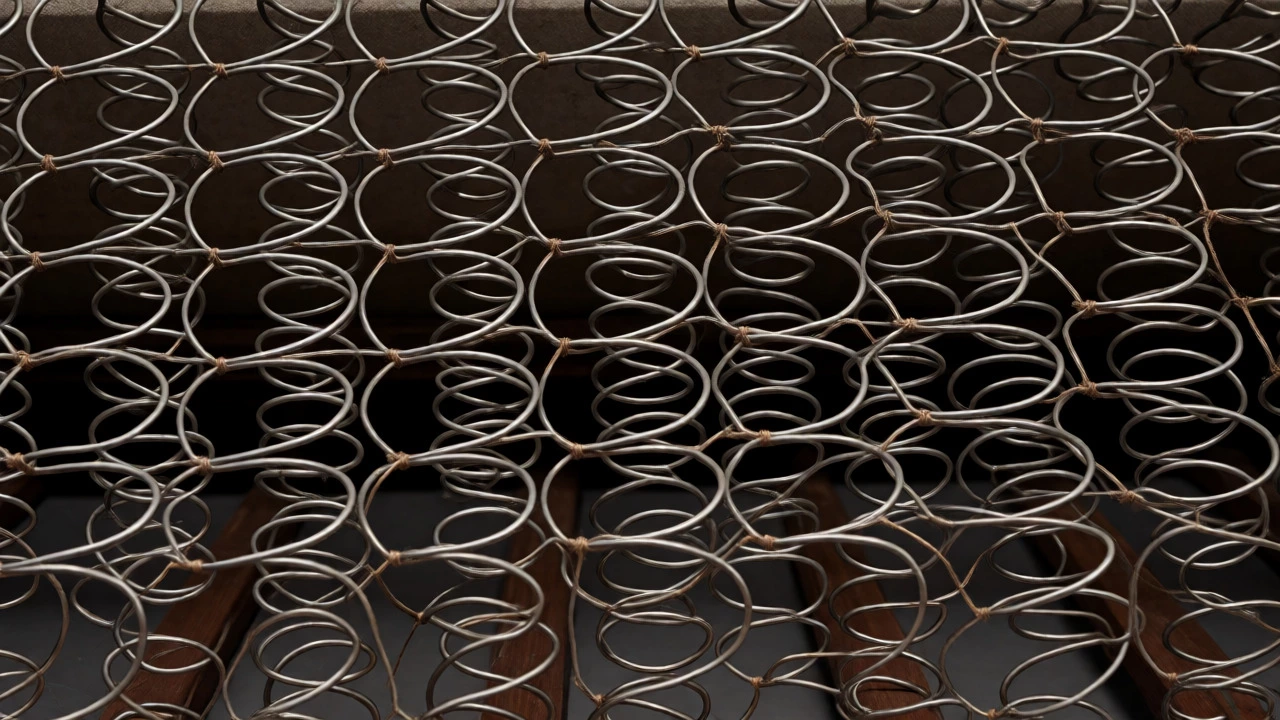
Once you’ve checked the wood, look underneath. This is where many shoppers fail-they sit on the top but never peek at the bottom. The suspension system supports the cushions and distributes your weight. If this part fails, you’ll feel every slat and spring, and the sofa will sag rapidly.
Eight-way hand-tied springs are the best option. They consist of individual steel coils tied together in eight directions (front-to-back, side-to-side, and diagonally). This creates a firm, even support surface that resists sagging. Ask the salesperson: "Are these hand-tied?" If they hesitate or say "sinuous," keep reading.
Sinuous springs (also called serpentine springs) are S-shaped wires running from front to back. They are cheaper and easier to install. High-quality sinuous springs are made of heavy-gauge steel and are spaced closely together. Low-quality ones use thin wire and wide spacing, which leads to premature sagging. If you see sinuous springs, check the gauge. Thin, flimsy wires are a bad sign.
Cross-webbing is essentially elastic straps stretched across the frame. It’s the cheapest option, often found in budget-friendly furniture. While modern webbing is better than it used to be, it still tends to stretch out over time, causing that dreaded "hammock effect" where you slide toward the center. For a sofa meant to last ten years, cross-webbing is usually insufficient unless it’s extremely tight and robust.
Cushion Fillings: Comfort vs. Longevity
This is where personal preference clashes with durability. Everyone wants a cloud-like sink-in feel, but pure foam collapses, and pure feathers require constant plumping. The secret to a quality sofa cushion is often a hybrid approach.
High-density polyurethane foam is the workhorse of the industry. Look for a density rating of at least 1.8 pounds per cubic foot (pcf). Anything lower (like 1.2 pcf) will flatten within two years. Density is different from firmness-you can have dense foam that feels soft, but it won’t lose its shape. Check the label or ask for the density spec. If they don’t know, they probably don’t care.
Down and feather blends offer luxurious softness but lack structure. A good compromise is a foam core wrapped in a layer of down or feather. This gives you the initial softness of down with the resilience of foam underneath. However, these cushions need regular flipping and plumping. If you hate maintenance, avoid all-down cushions.
Fiberfill is synthetic polyester stuffing. It’s cheap and hypoallergenic but clumps over time. It’s fine for decorative pillows but poor for main seating cushions unless blended with foam.
Upholstery Fabric: Durability Beyond Looks
Style fades; fabric wears. You need a material that withstands abrasion, sunlight, and spills. In Australia, we deal with intense UV exposure, which can fade fabrics and weaken fibers. Always ask for the Martindale rub count-a test that measures how many times a machine rubs the fabric before it shows visible wear.
- Under 15,000 rubs: Light domestic use only. Great for accent chairs, risky for family sofas.
- 15,000-30,000 rubs: General domestic use. Good for most households.
- Over 30,000 rubs: Heavy domestic or commercial use. Ideal for pets, kids, and high-traffic areas.
Natural fibers like cotton and linen breathe well but stain easily and wrinkle. Synthetics like polyester and nylon are tough and easy to clean but can feel less breathable. Blends often hit the sweet spot. Leather is another story-top-grain leather ages beautifully, developing a patina, while bonded leather (shredded scraps glued together) peels and cracks within a few years. If you want leather, ensure it’s full-grain or top-grain, not "genuine" or "bonded."
Joinery and Construction Details
How are the pieces connected? Screws and nails loosen over time due to movement and temperature changes. Wood dowels are better, but the gold standard is dado joints combined with screws and glue. A dado joint involves cutting a groove in one piece of wood to fit another snugly. This interlocking design prevents racking (the sofa twisting sideways).
Also, check the legs. Are they screwed on securely? Can they be removed for shipping? Removable legs are convenient but can become loose. Fixed legs are sturdier but make moving house harder. Ensure the leg attachment points are reinforced with wooden blocks inside the frame, not just screwed into particleboard.
Test It Like You Live On It
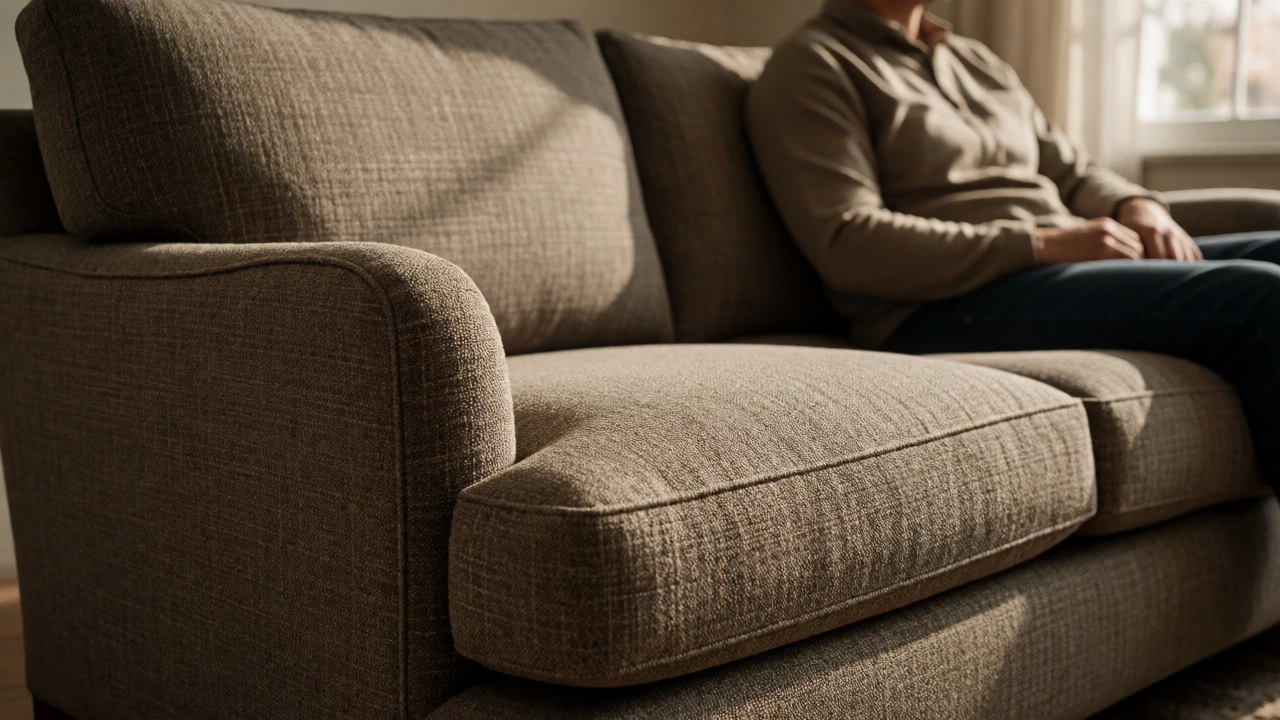
Don’t just sit politely on the edge. Sit normally. Lean back. Cross your legs. Lie down. Does the sofa support your lower back? Is the seat depth appropriate for your height? A deep seat might look great but leave shorter people dangling their feet. Check the armrest height-if you plan to read with a book, low arms might be annoying.
Listen to it. Wiggle it. Does it creak? Creaking usually indicates loose joinery or friction between wood parts. A silent sofa is a well-built sofa. Also, smell it. A strong chemical odor suggests off-gassing from glues or foams, which can affect indoor air quality.
Warranties and Return Policies
Finally, read the fine print. A quality manufacturer stands behind their product. Look for warranties covering the frame for at least five to ten years. Warranties on cushions and fabric are usually shorter (1-2 years) because they are consumables. If a store offers a 30-day return policy, take advantage of it. Test the sofa in your own home environment. Sometimes a sofa feels perfect in a bright, spacious showroom but cramped or uncomfortable in your actual living room layout.
Is a more expensive sofa always higher quality?
Not necessarily. Price often reflects brand markup, design complexity, or premium fabric rather than construction quality. A mid-range sofa with a hardwood frame and high-density foam may outlast a luxury designer sofa with a softwood frame and low-density fill. Always inspect the materials yourself rather than relying solely on the price tag.
How do I check the density of foam cushions?
Ask the retailer for the foam density specification, measured in pounds per cubic foot (pcf). For seat cushions, aim for at least 1.8 pcf. Back cushions can be slightly lower (1.5 pcf) since they bear less weight. If the retailer doesn't know, ask to cut open a sample swatch or request a spec sheet. Higher density means the foam cells are smaller and more resilient, resisting permanent indentation.
What is the difference between top-grain and bonded leather?
Top-grain leather is real animal hide where the outer layer has been sanded and finished. It is durable, breathable, and develops a patina over time. Bonded leather is made from shredded leather scraps mixed with polyurethane and sprayed onto a paper backing. It looks like leather initially but lacks durability, often peeling, cracking, or flaking within a few years of regular use. Top-grain is significantly more expensive but lasts much longer.
Are sinuous springs worse than hand-tied springs?
Hand-tied springs are generally superior because they provide independent movement and consistent tension across the entire seat. Sinuous springs are cheaper and easier to manufacture. However, high-quality sinuous springs made from heavy-gauge steel can perform well for average use. The issue arises with low-cost sinuous systems using thin wire and wide spacing, which sag quickly. For heavy users or daily family use, hand-tied is the safer bet for longevity.
How important is the Martindale rub count for upholstery?
It is critical for determining durability. The Martindale test simulates abrasion. For a family sofa used daily, choose a fabric rated for at least 20,000-30,000 rubs. Below 15,000 rubs is suitable only for occasional use, such as a formal sitting room or guest chair. High-traffic homes with pets or children should target 40,000+ rubs to prevent early wear and tearing.
Can I repair a sagging sofa?
Yes, but it depends on the cause. If the sagging is due to compressed foam, replacing the cushion inserts is a relatively affordable fix. If the suspension springs have broken or stretched, a professional upholsterer can restring them, though this can be costly. If the frame itself has warped or broken, repair is often impractical, and replacement is usually more economical.