Carpet Quality Assessment Tool
Rate Your Carpet's Characteristics
Select the options that best describe the carpet you're evaluating
Detailed Analysis
Ever bought a beautiful rug that looked stunning in the showroom but started shedding like crazy or flattening out after just three months? It happens more often than you’d think. The difference between a floor covering that lasts decades and one that becomes trash is rarely visible at first glance. You have to know what to look for beyond the pattern and color.
Identifying high-quality carpet isn't about paying the highest price tag; it's about understanding construction. Whether you are looking at wall-to-wall installation or an area rug, the principles of quality remain the same. If you want your investment to hold up against foot traffic, pets, and time, you need to inspect the materials, the weave, and the backing before you commit.
What is the single most important factor in carpet quality?
The fiber content is the foundation. Natural fibers like wool offer superior resilience and stain resistance compared to many synthetics, while high-end synthetics like triexta or solution-dyed nylon provide excellent durability for high-traffic areas.
Understanding Fiber Content
The material the carpet is made from dictates its lifespan, feel, and maintenance needs. Not all fibers are created equal. When you run your hand over a carpet sample, you are feeling the result of specific chemical structures or natural growth patterns.
Wool is the gold standard for natural carpet fibers. It has a natural crimp that allows it to bounce back when compressed, meaning it resists crushing better than almost any other material. Wool also contains lanolin, which gives it inherent stain-resistant properties. However, true wool can be expensive. Be wary of "wool blends" that contain only 10-20% wool; these often lack the durability benefits of pure wool carpets.
On the synthetic side, Nylon is the most durable synthetic fiber available. It handles heavy foot traffic exceptionally well and is highly resistant to abrasion. Look for "solution-dyed" nylon, where the color is embedded into the fiber during manufacturing rather than applied on the surface. This makes it far more resistant to fading from sunlight and staining from spills.
Avoid polypropylene (often called olefin) if you plan to put it in high-traffic areas. While it is cheap and moisture-resistant (great for basements), it crushes easily and doesn't spring back. It feels scratchy and tends to attract dirt because of its static charge.
The Importance of Pile Density
If fiber is the ingredient, density is the recipe. Many buyers focus on pile height (how long the strands are), but pile height alone tells you nothing about quality. A tall, shaggy carpet with low density will mat down quickly. A short-pile carpet with high density can last forever.
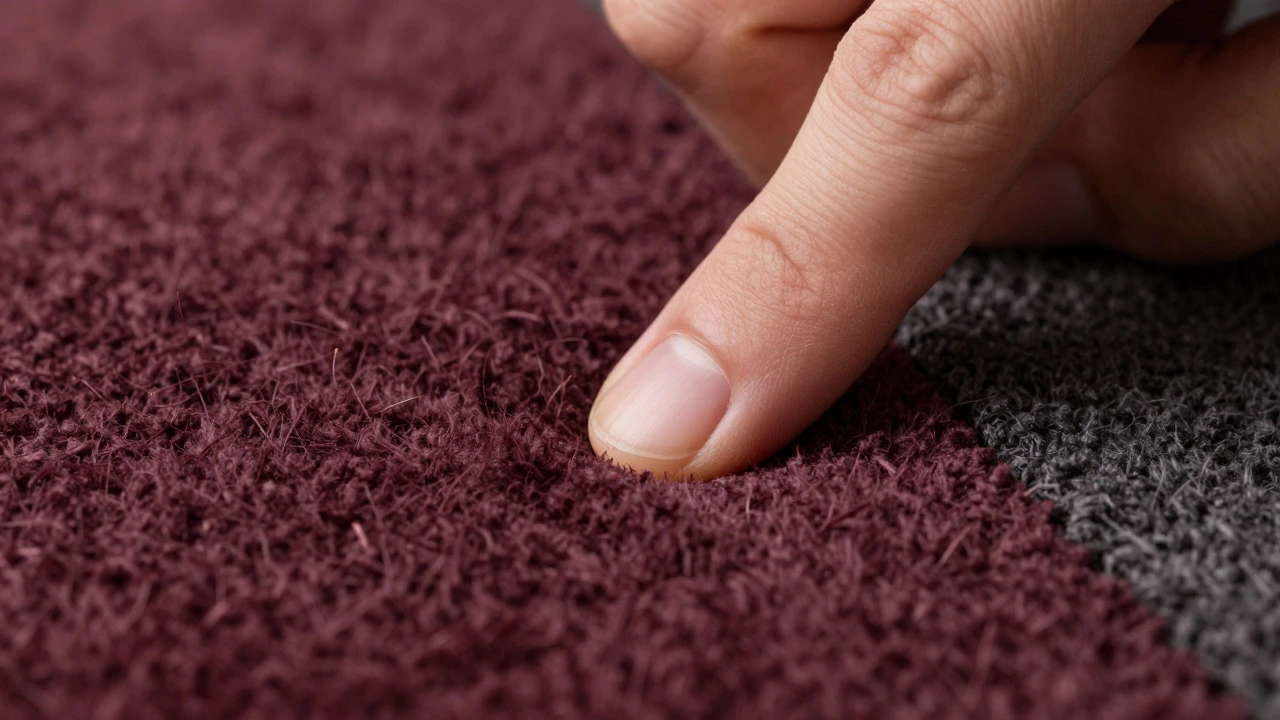
Density refers to how closely packed the tufts are together. To test this yourself, perform the "push test." Take your thumb and push through the pile to the backing. If you can see the backing easily, the density is low. If you struggle to see the backing and the fibers spring back immediately after you remove your thumb, the density is high.
High-density carpets resist indentation from furniture legs and foot traffic. They trap less dust and dirt because there are fewer gaps for debris to settle into. When shopping, ask for the "density rating" if buying wall-to-wall carpet. For area rugs, rely on that physical push test.
Weave Types and Construction Methods
How the yarn is attached to the backing determines structural integrity. There are two main categories: tufted and woven.
Tufted carpet is the most common type for residential homes. In this process, needles punch yarn loops into a primary backing, and then a secondary latex backing is applied to glue them in place. Quality here depends on the strength of the adhesive and the tightness of the tufts. Pull gently on a few strands; if they come out easily, the bonding is weak.
Woven rugs, such as those made on a loom, are generally higher quality. Styles like Axminster or Wilton involve weaving the face yarn directly into the structure. These don't rely on glue. They are reversible (usually) and incredibly durable. Hand-knotted rugs represent the pinnacle of this category, taking months to produce by artisans. These are heirlooms, not disposable decor.
For flatweaves, check the edges. High-quality flatweaves have finished selvedges that prevent fraying. Cheap versions often have raw edges that unravel within weeks.
Backing Materials and Secondary Layers
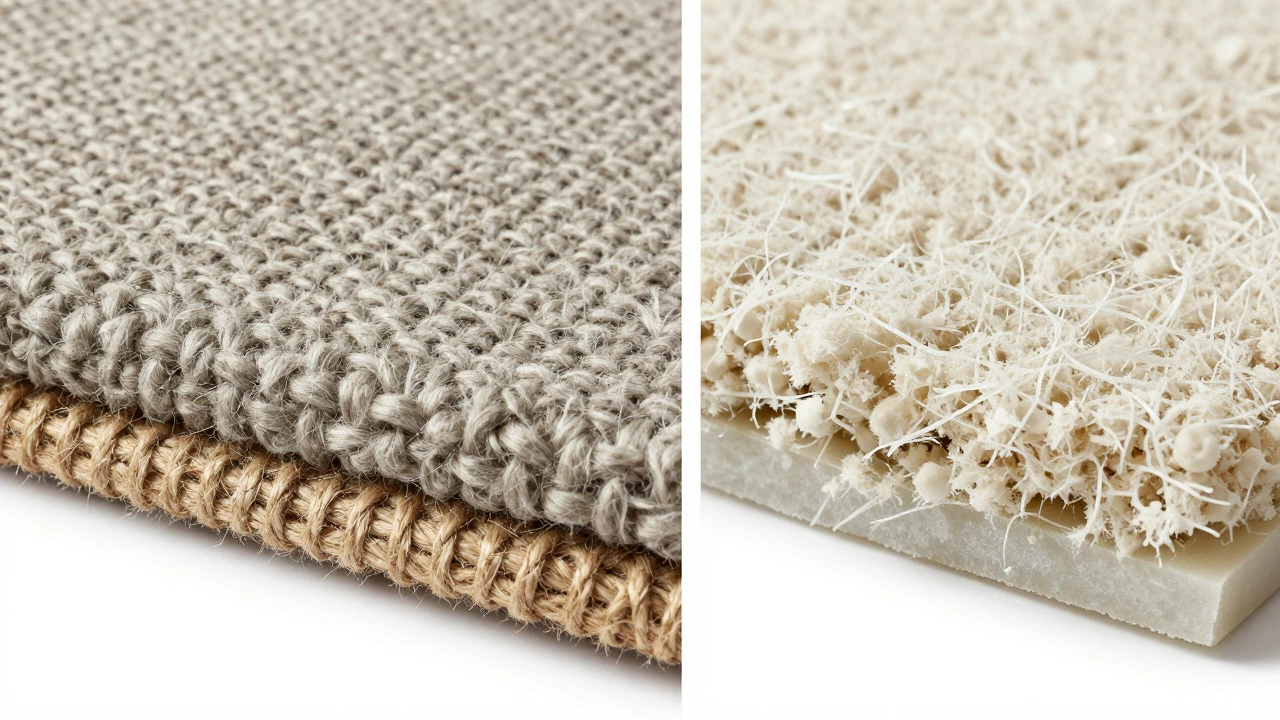
You might not see the backing, but it supports everything above it. The primary backing holds the tufts, while the secondary backing provides stability and cushioning.
In tufted carpets, a latex or rubber coating secures the fibers. Over time, poor-quality latex can dry out and crack, causing shedding. Higher-end products use reinforced backings or jute layers for added strength. For area rugs, a non-slip pad is essential, but the rug itself should have a stable base. Some premium rugs include a pre-attached foam layer for comfort, but ensure it is dense enough not to compress flat immediately.
If you are buying a rug for a hardwood floor, check for a breathable backing. Plastic-backed rugs can trap moisture against wood floors, leading to warping or mold issues, especially in humid climates like Perth.
Colorfastness and Dye Quality
A beautiful color means little if it fades after one summer in the sun. Colorfastness is a critical indicator of quality. As mentioned earlier, solution-dyed fibers are the best defense against UV damage. The dye penetrates the entire polymer chain, so even if the surface wears slightly, the color remains consistent.
For natural fibers like wool, ask about the dyeing process. Vegetable dyes are eco-friendly but can fade faster than synthetic acid dyes unless treated properly. Always request a light-fastness rating if possible. A simple home test? Place a white cotton cloth on the dark part of the rug and press hard. If color transfers to the cloth, the dye is unstable and likely to bleed during cleaning.
Practical Tips for Testing in Store
When you are standing in a store, don't just look. Engage your senses.
- Smell it: New carpets have a slight odor, but a strong chemical smell can indicate volatile organic compounds (VOCs) off-gassing. High-quality natural wool smells faintly earthy or neutral.
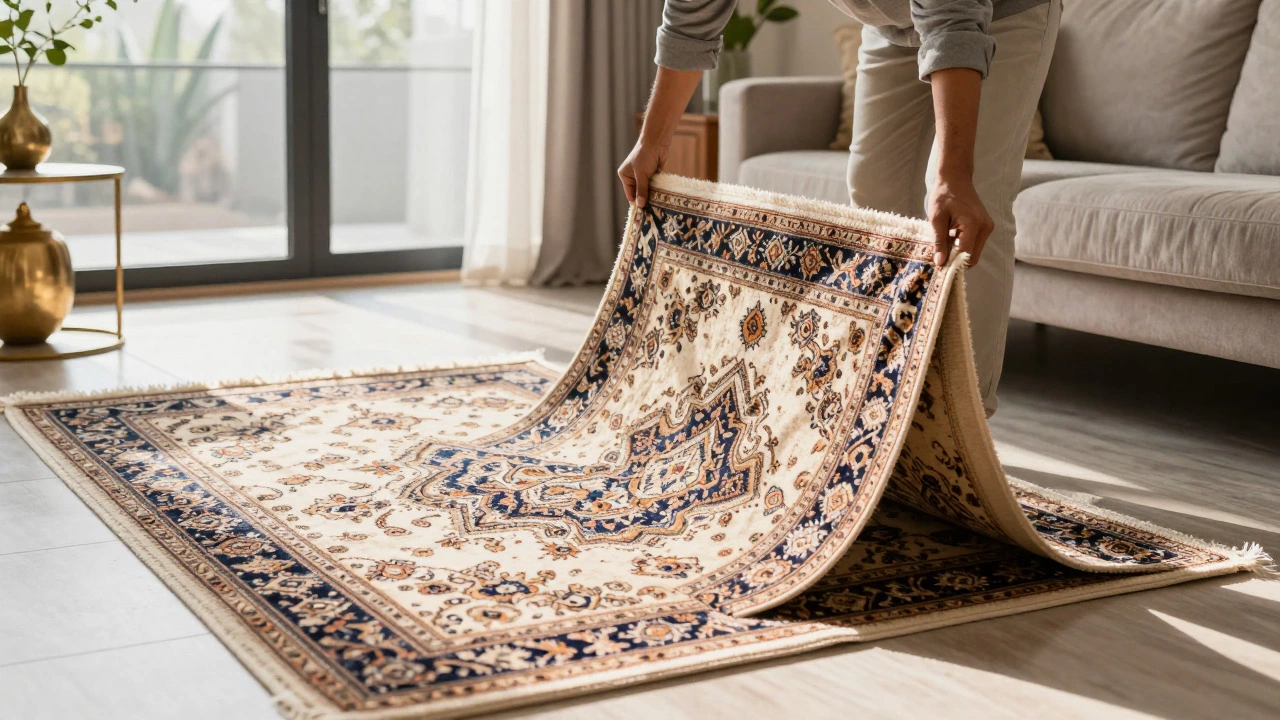
- Feel the weight: Pick up a corner of an area rug. Heavier usually means denser construction. Lightweight rugs often sacrifice density for cost savings.
- Check the label: Look for certifications like Green Label Plus, which indicates low VOC emissions. Also, verify the exact fiber percentage. "Polyester blend" is vague; "80% Polyester, 20% Nylon" is transparent.
- Inspect the reverse: Turn the rug over. The backing should look uniform and sturdy. Loose threads or uneven gluing on the back suggest poor manufacturing control.
Common Pitfalls to Avoid
One of the biggest mistakes buyers make is prioritizing aesthetics over construction. A complex Persian-style print looks luxurious, but if it's printed on a thin polypropylene base, it will wear out fast. Similarly, avoid "shag" styles in high-traffic zones unless they are specifically designed for durability with high-twist yarns.
Another trap is ignoring the warranty. Reputable manufacturers stand behind their products. A good warranty covers crushing, staining, and wear for a significant period (often 5-10 years). Read the fine print: does it require professional cleaning every 12 months to stay valid? Factor that ongoing cost into your decision.
Finally, consider your lifestyle. If you have dogs, avoid loose weaves where claws can snag. Opt for low-pile, tightly twisted nylon or wool. If you have allergies, choose hypoallergenic synthetics or wool that has been treated to resist dust mites.
How do I clean high-quality wool carpet without damaging it?
Use pH-neutral cleaners specifically designed for wool. Avoid harsh alkaline detergents which can strip the natural lanolin. Blot spills immediately; never rub, as rubbing drives the stain deeper and damages the fiber structure. Professional steam cleaning is recommended once a year.
Is expensive carpet always better quality?
Not necessarily. Price often reflects brand marketing, intricate designs, or rare materials. However, extremely cheap carpets almost always cut corners on density and fiber quality. Mid-range options with high density and good fiber content often offer the best value.
What is the difference between loop and cut pile?
Loop pile has uncut yarn loops, making it very durable and great for hiding stains, but it can snag. Cut pile has the loops sheared off, creating a softer, plush feel that shows footprints more easily. Cut pile is generally more comfortable underfoot but may show wear patterns sooner in high-traffic areas.
Can I wash a handmade rug at home?
Generally, no. Handmade rugs, especially those with natural dyes and delicate backings, can shrink, bleed color, or lose their shape in a washing machine. Vacuum regularly and spot clean small stains. Send valuable handmade rugs to professional rug cleaners who specialize in textile conservation.
How long should a high-quality carpet last?
With proper care, high-quality wool carpets can last 25 years or more. High-grade nylon carpets typically last 10-15 years in moderate traffic. Area rugs with dense weaves can last generations if rotated regularly and protected from direct sunlight.