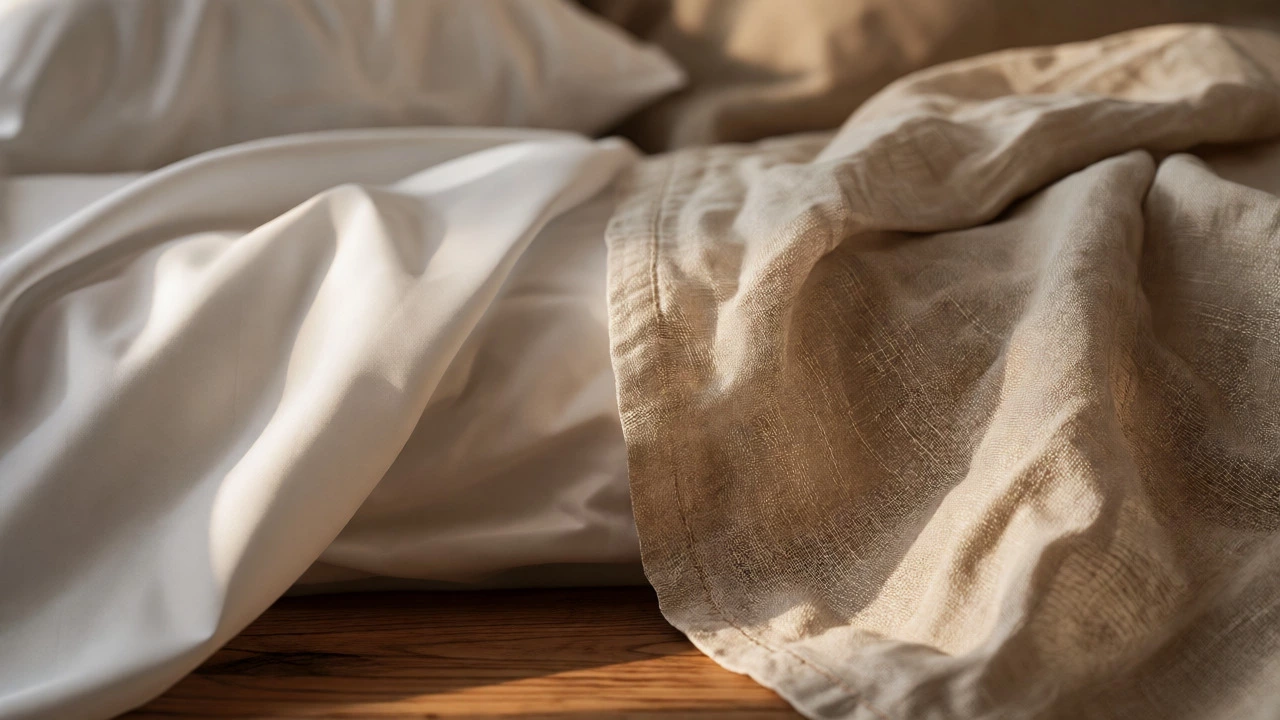
Bedding vs. Linens Classifier
Confused by store signs? Select an item below to see how it fits into the Bedding vs. Linens debate.
Shopping Tip
Care Instructions
You walk into a store or scroll through an online catalog looking for new bedding, but the sign above the aisle says "Linens." You pause. Are they the same thing? If you ask your grandmother, she might casually use the words interchangeably while folding a stack of white cotton squares. But if you look closely at what is actually sitting on your bed versus what is in your bathroom cabinet, a distinct line emerges. The short answer? No, bedding is not exactly called linens, though the two terms overlap significantly in casual conversation.
This confusion isn't just semantic nitpicking. Knowing the difference helps you shop smarter, care for your items correctly, and even understand why some things cost more than others. Let's clear up the fog around these household staples.
The Historical Roots of "Linen"
To understand why people mix up these terms, we have to look back. Historically, the word linen referred specifically to fabric made from the flax plant (Linum usitatissimum). It was one of the oldest cultivated fibers, prized for its durability and breathability. For centuries, if it wasn't wool or silk, it was likely linen or hemp.
Over time, language drifted. In many English-speaking countries, particularly in the UK and older American dialects, "linens" became a catch-all term for household fabrics stored in a closet-sheets, tablecloths, napkins, and towels. This linguistic habit persists today. When someone says they are doing their "linens," they usually mean washing all their soft household textiles, regardless of whether they are cotton, polyester, or actual flax.
However, in the textile industry and among interior designers, precision matters. True linen has specific characteristics: it wrinkles easily, gets softer with every wash, and has a distinct texture that differs from smooth cotton sateen. So, when you see a product labeled "100% Linen," it’s a claim about material composition. When you see a category labeled "Linens," it’s often a retail convenience grouping everything soft and washable.
Defining Bedding: The Functional Layer
Bedding is defined by function, not just fiber. It encompasses all the items placed on a bed for comfort, warmth, and aesthetics. This includes bed covers, duvets, comforters, pillows, pillowcases, and mattress protectors. The primary job of bedding is to create a sleep environment. It interacts directly with your body throughout the night.
Because bedding deals with direct skin contact and temperature regulation, materials vary wildly. You can find bedding made from:
- Cotton (percale, sateen, jersey)
- Polyester blends
- Bamboo viscose
- Silk
- Linen (the actual fabric)
- Microfiber
Notice that linen is just one option within the broader category of bedding. If you buy a polyester comforter, it is definitely bedding, but calling it "linens" feels outdated and inaccurate to anyone familiar with modern textiles. Yet, because it lives in the same storage space as your cotton sheets, the colloquial mixing continues.
What Counts as Linens Today?
In modern retail, "linens" typically refers to a specific subset of household textiles, often excluding bulky outer layers like heavy winter comforters or decorative throws. A typical "linens" section includes:
- Flat and fitted sheets
- Pillowcases and shams
- Towels (bath, hand, face)
- Table linens (tablecloths, placemats)
- Lightweight blankets or quilts
Why this distinction? Logistics and laundry. Sheets and towels are washed frequently, often weekly. They need to be durable, absorbent, and easy to fold. Bulky comforters or delicate silk pillowcases require different care routines. By separating "linens" from general "bedding" or "decor," retailers help consumers organize their purchases based on usage and maintenance needs.
Consider the hotel industry. Housekeeping staff refer to "linens" when changing sheets and towels. They don't call the heavy duvet insert a "linen"; they call it part of the "bed setup" or "soft goods." The sheet set is the linen. This professional usage reinforces the idea that linens are the washable, intimate layer touching the user, while bedding is the entire ensemble.
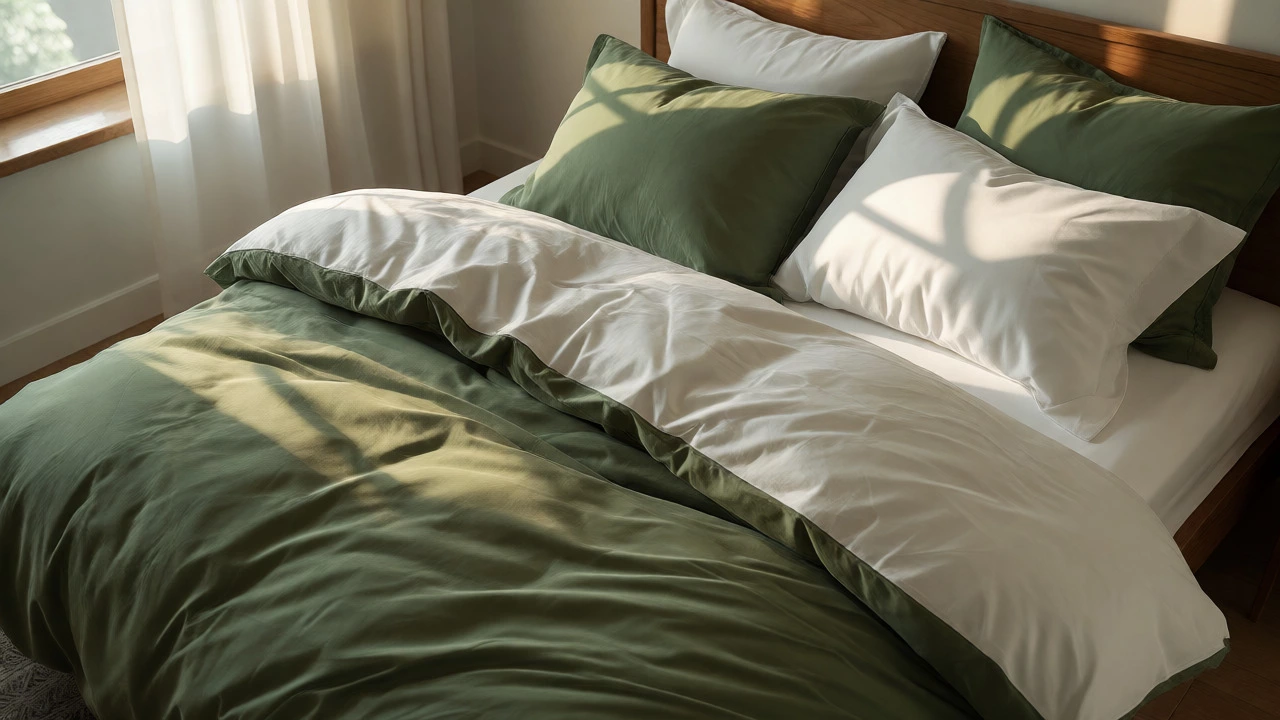
Material Matters: Cotton vs. Linen Fabric
If you're confused because you want breathable sheets, you might be trying to decide between cotton and linen fabric. Both are natural fibers, both are used for bedding, and both are sometimes loosely called "linens." Here is how they differ in practice:
| Feature | Cotton | Linen |
|---|---|---|
| Source | Cotton plant bolls | Flax plant stems |
| Texture | Smooth, crisp (percale) or silky (sateen) | Textured, slightly rough initially, softens over time |
| Durability | High, but wears out faster than linen | Extremely high, lasts decades |
| Wrinkling | Moderate (unless treated) | Heavy wrinkling is characteristic |
| Temperature | Versatile, good for all seasons | Superior cooling, ideal for hot sleepers |
| Cost | Wide range ($20 - $500+) | Generally higher ($100 - $800+) |
When people say "I love my linens," they often mean they love their high-quality cotton sheets. But if you buy a set of true flax linen sheets, you are buying a premium product with a very different feel. The confusion arises because both fit under the umbrella of "washable bed fabrics." To avoid disappointment, always check the tag. Does it say "100% Cotton" or "100% Linen"? That single word changes the price, the feel, and the care instructions.
Care Instructions: Why the Name Impacts Maintenance
Using the wrong care method can ruin expensive items. If you treat a delicate silk bedding set like standard cotton linens, you’ll shrink or damage it. If you wash heavy linen fabric too aggressively, you might accelerate wear unnecessarily.
General rules for true linen fabric:
- Wash in cool or warm water, never hot.
- Avoid bleach; it weakens flax fibers.
- Tumble dry low or air dry. Remove while slightly damp to minimize hard wrinkles.
- Ironing is optional; many prefer the rumpled look.
General rules for cotton bedding:
- Can usually handle warmer water.
- Bleach is okay for whites (check label).
- Tumble dry medium-high.
- Often benefits from ironing for a crisp hotel look.
If you simply toss everything labeled "linens" into a hot wash cycle, you risk damaging non-cotton items. Always read the care label, not just the category name on the website menu.
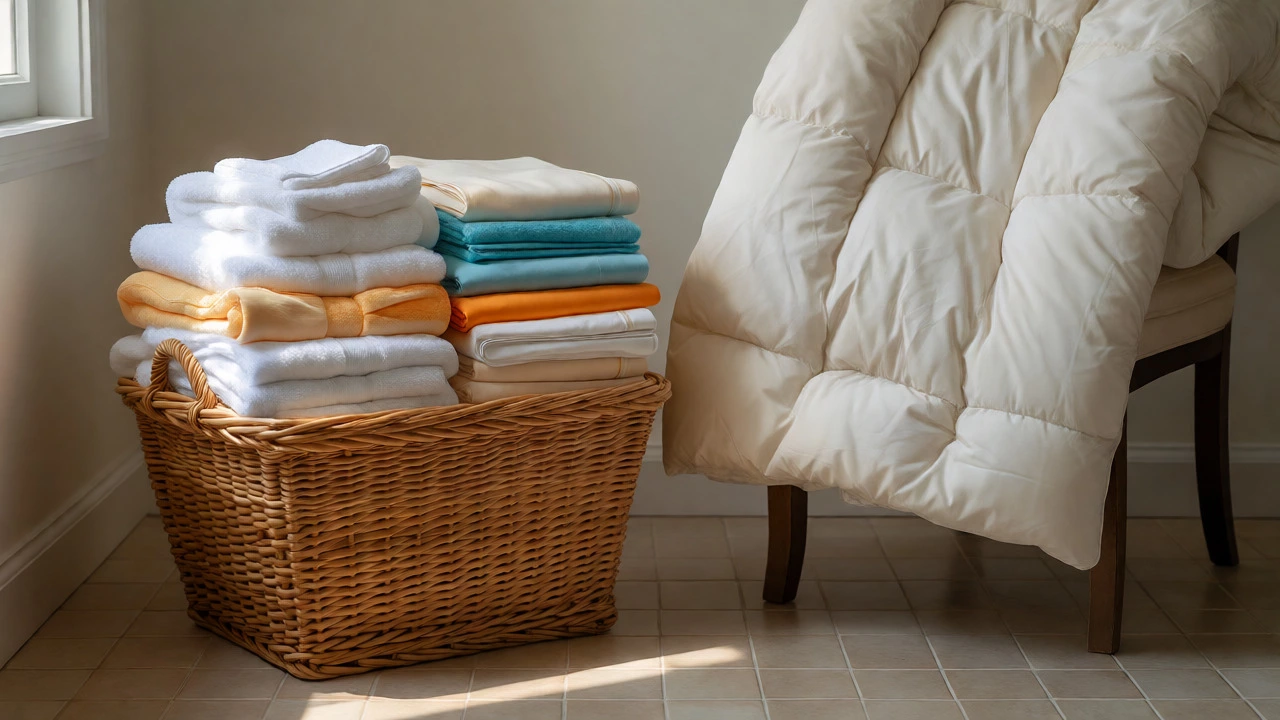
Shopping Smart: How to Navigate Retail Categories
When shopping online, menus can be misleading. A site might list "Sheets & Linens" together, implying they are synonymous. Another might separate "Bedding" (duvets, comforters) from "Linens" (sheets, towels). Here is how to decode them:
Look for material specifics. If you want cooling properties, search for "linen sheets" or "bamboo sheets," not just "linens." If you want a cozy winter layer, search for "down alternative comforter" or "wool blanket," which fall under bedding but aren't linens.
Check the thread count or GSM. For cotton, thread count matters (though marketing hype exists). For linen, look for GSM (grams per square meter). A lighter weight (170-190 GSM) is better for summer; heavier (240+ GSM) is for winter. These metrics don't apply to synthetic bedding like microfiber comforters.
Read reviews for texture. Since "linens" is a vague category, user reviews are crucial. Look for comments about softness, pilling, and shrinkage. One person’s "crisp linen" is another’s "scratchy sheet."
Common Misconceptions
Let's bust a few myths that keep this confusion alive.
Myth 1: All white sheets are linen. False. Most white sheets are cotton. White linen exists, but it’s rarer and more expensive.
Myth 2: Linens must be ironed. Not true. Modern linen bedding is celebrated for its relaxed, lived-in look. Ironing is a stylistic choice, not a requirement.
Myth 3: Bedding is only for sleeping. Bedding also serves a major decorative role. Decorative pillows, throw blankets, and duvet covers are bedding but rarely get touched during sleep. They aren't "linens" in the functional sense.
Myth 4: Higher price means better quality. In the world of bedding and linens, brand markup plays a huge role. A $500 linen set isn't necessarily twice as good as a $250 set. Look for long-staple cotton or European flax certifications instead of just price tags.
Final Verdict: Use the Right Word for the Right Context
So, is bedding called linens? Technically, no. Bedding is the broad category of items on your bed. Linens traditionally refers to flax fabric, but colloquially describes washable household textiles like sheets and towels. While there is overlap-sheets are both bedding and often called linens-a comforter is bedding but not a linen, and a bath towel is a linen but not bedding.
Next time you’re shopping, ask yourself: Do I need something to sleep on (bedding)? Or do I need something to wipe my face or cover my bed surface (linens/sheets)? Being precise saves you money and ensures you get exactly what you need for your home.
Can I use the terms bedding and linens interchangeably?
In casual conversation, yes, most people will understand you. However, in retail and manufacturing, they are distinct. Bedding includes all items on a bed (comforters, pillows), while linens usually refer to washable fabrics like sheets and towels, or specifically flax fabric.
Are linen sheets the same as regular bedding?
Linen sheets are a type of bedding. However, not all bedding is made of linen. Most bedding is made from cotton, polyester, or synthetic blends. Linen is a specific natural fiber known for being cooler and more textured than cotton.
Why do hotels call their sheets linens?
Hotels use the term "linens" to describe all washable soft goods they manage daily, including sheets, pillowcases, and towels. It’s an industry-standard term for inventory management, distinguishing these frequent-wash items from bulkier items like mattresses or furniture.
Is linen bedding better than cotton?
It depends on your preference. Linen is more breathable and durable, making it ideal for hot climates. Cotton is smoother, comes in more varieties (like sateen), and is generally less expensive. Neither is objectively "better"; it’s about comfort and climate.
Do I need to iron linen bedding?
No. Many people prefer the natural, rumpled look of linen. If you dislike wrinkles, you can iron it while damp, but it’s not required for hygiene or longevity.