Mirror Material Selector & Guide
Not sure which mirror you have or which one to buy? Select a material below to see its characteristics, common uses, and a "Quality Verdict."
Thin Float Glass
Low-Mid CostTraditional glass with an aluminum coating. The standard budget option.
Acrylic (Plexiglass)
Low CostShatter-proof synthetic polymer. Common for kids' rooms and gyms.
Polystyrene
Very Low CostRigid, brittle plastic. Often found in cheap novelty items.
Material Details
Quick Stats
Key Takeaways for Budget Mirror Buyers
- Most budget mirrors use thin float glass with aluminum coatings rather than pure silver.
- Acrylic mirrors are a common low-cost, shatter-proof alternative to glass.
- The "distortion" seen in cheap mirrors is often caused by a lower-quality substrate or uneven coating.
- Aluminum is the primary driver for low costs because it's cheaper to source and apply than silver.
The Basics of Budget Glass Mirrors
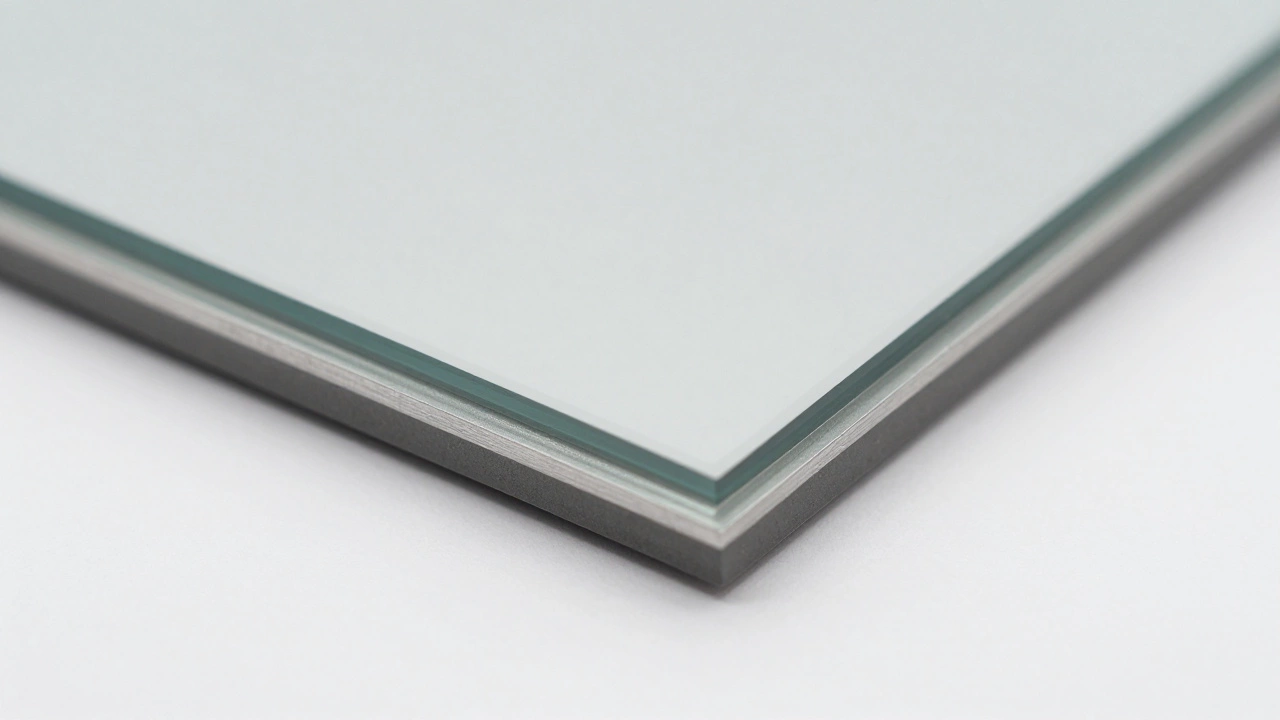
If the mirror feels like glass but is surprisingly cheap, it's likely a Float Glass is a type of glass produced by floating molten glass on a bed of molten tin to create a perfectly flat surface. In high-end mirrors, this glass is thick and clear. In cheap mirrors, the glass is often thinner, which makes it more prone to bowing. When the glass bows, your reflection looks warped-think of those carnival mirrors, but less intentional.
The reflective part isn't usually a solid slab of metal. Instead, it's a chemical process called "silvering," though in cheap versions, the "silver" isn't actually silver. Most budget mirrors use Aluminum is a lightweight, silvery-white metal used as a reflective coating in low-cost mirrors. Aluminum is significantly cheaper than silver and provides a decent reflection, but it's not as bright. If you notice a mirror looks slightly "greyer" or darker than a professional dressing room mirror, you're likely looking at an aluminum coating.
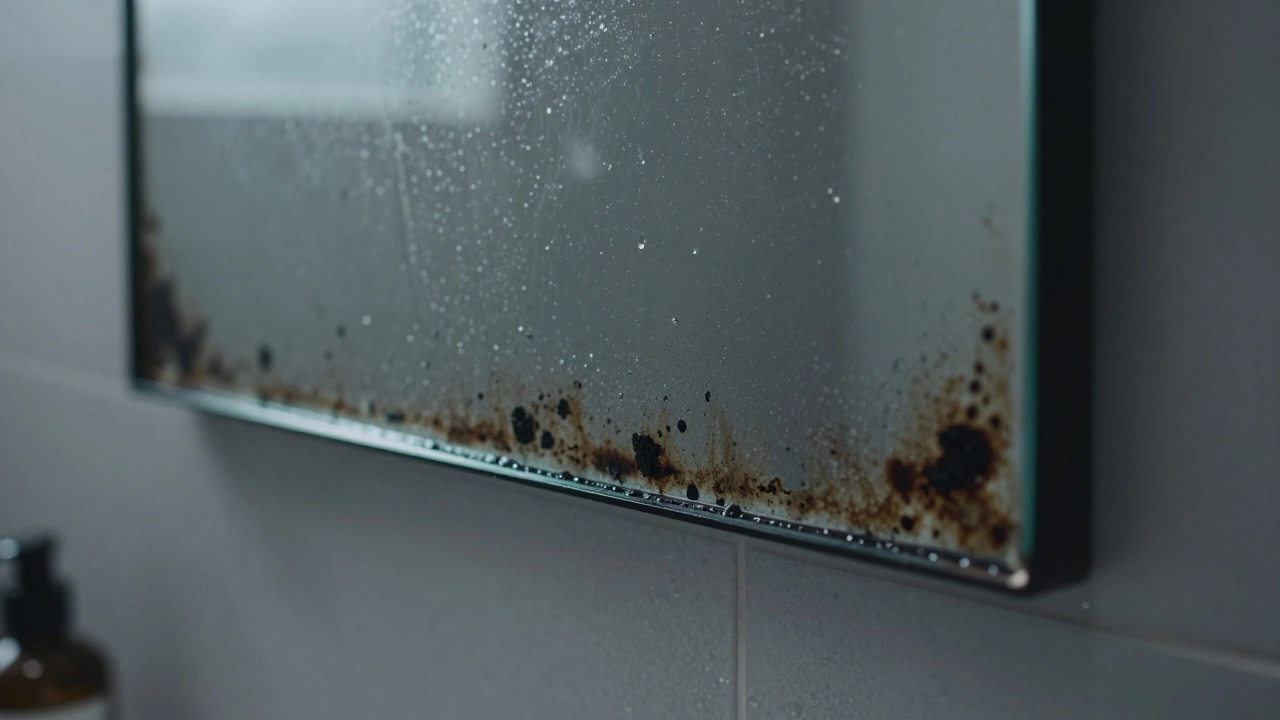
To protect this thin metal layer from scratching or oxidizing, manufacturers apply a layer of paint on the back. In expensive mirrors, this is a multi-layer, high-grade protective coating. In cheap ones, it's a basic spray paint. Over time, this is why you might see "black edge" or spotting on old, cheap mirrors-the paint has failed, and moisture has leaked in to corrode the aluminum.
The World of Plastic and Acrylic Mirrors
If the mirror is incredibly light or flexible, it's not glass at all. It's likely Acrylic is a synthetic polymer, also known as polymethyl methacrylate, used as a lightweight alternative to glass. You'll often see these in children's rooms or as "stick-on" tiles for the gym. Acrylic mirrors are made by taking a clear plastic sheet and applying a reflective vacuum-metallized coating to the back.
Why do companies use this? Because it's nearly impossible to break. If you drop an acrylic mirror, it doesn't shatter into a thousand pieces. However, the trade-off is clarity. Because plastic is softer than glass, it scratches easily. More importantly, the surface of the plastic isn't always perfectly flat. This creates the "funhouse effect" where your face might look wider or thinner depending on where you stand.
Another even cheaper version is Polystyrene is a common plastic polymer used in the cheapest, most rigid reflective sheets. These are often the mirrors you find in very cheap novelty items. They are more brittle than acrylic and have even more distortion, making them better for decorative accents than for actually checking your makeup.
| Material | Reflective Layer | Durability | Clarity | Cost |
|---|---|---|---|---|
| Thin Float Glass | Aluminum | Fragile | High | Low-Mid |
| Acrylic (Plexiglass) | Vacuum Metal | High (Shatterproof) | Medium-Low | Low |
| Polystyrene | Vacuum Metal | Medium | Low | Very Low |
Why Do Cheap Mirrors Warp?
You've probably experienced it: you step back two feet from a cheap mirror and suddenly you look like you've been stretched in Photoshop. This happens because of the substrate. The substrate is the base material-the glass or plastic-that holds the reflective coating. In high-quality mirrors, the substrate is heavy and rigid, which keeps the reflective surface perfectly flat.
In cheap mirrors, the materials are thinner. When a thin piece of glass or plastic is mounted in a frame or glued to a wall, it bends slightly. Since the reflective coating is bonded to the substrate, it bends too. A curve of even a fraction of a millimeter can distort a reflection over a distance of a few feet. This is why a cheap acrylic mirror might look great up close but looks like a wave when you stand back.
The Manufacturing Process: Vacuum Deposition vs. Chemical Bath
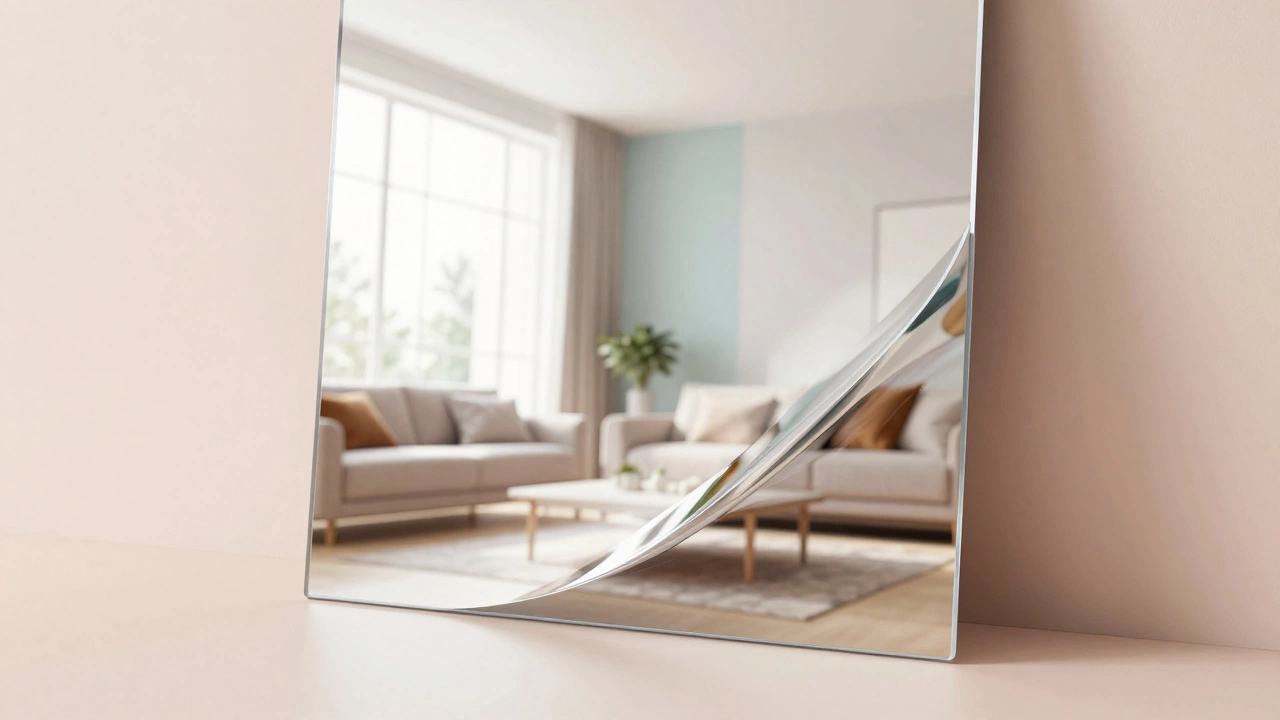
How these things are made also affects the price. High-end mirrors often use a chemical process involving Silver Nitrate is a chemical compound used in the traditional silvering process to create high-reflectivity mirrors. This requires a controlled environment and expensive chemicals.
Cheap mirrors often use Vacuum Metallization is a process where metal is evaporated in a vacuum chamber and deposited onto a surface. The manufacturer puts the glass or plastic in a giant vacuum chamber, heats up aluminum until it turns into a gas, and lets that gas condense onto the surface. It's fast, efficient, and uses much less material than the chemical bath method, which is why the price drops so significantly.
Spotting a "Fake" Mirror
If you're shopping in a store, how do you know if you're getting a low-quality material? First, check the weight. If it feels like a piece of cardboard or a plastic tray, it's acrylic or polystyrene. Second, look at the edges. High-quality mirrors often have polished or beveled edges. Cheap ones are usually just raw cuts covered by a plastic frame to hide the rough edges.
The "Lean Test" is also a great trick. Stand in front of the mirror and slowly move your head from side to side or step back. If the image shifts or your proportions change, the substrate is too thin or the plastic is warping. A quality mirror should remain consistent regardless of your angle.
How to Make Cheap Mirrors Last Longer
Since budget mirrors use cheaper coatings and paints, they are more susceptible to the environment. The biggest enemy is moisture. If you put a cheap aluminum-backed mirror in a steamy bathroom, the water vapor can seep behind the paint and cause the aluminum to oxidize. This creates those annoying black spots around the edges.
To prevent this, you can seal the edges of the mirror with a clear silicone sealant before mounting it. This blocks the air and moisture from reaching the reflective layer. Also, avoid using harsh ammonia-based cleaners on acrylic mirrors; they can eat away at the plastic surface and leave it cloudy. A simple mixture of water and a tiny drop of dish soap is usually the safest bet for plastic-based mirrors.
Is it safe to use cheap acrylic mirrors in a kids' room?
Yes, acrylic mirrors are actually safer than glass mirrors because they don't shatter into sharp shards. However, ensure they are securely attached to the wall and check for any sharp plastic edges from the manufacturing process.
Why does my cheap mirror look distorted?
Distortion usually happens because the substrate (the glass or plastic) is too thin. When the material bends-even slightly-the reflection warps. This is common in acrylic mirrors and very thin float glass.
What is the difference between silvered and aluminized mirrors?
Silvered mirrors use real silver, which provides the highest reflectivity and a "brighter" look. Aluminized mirrors use aluminum, which is cheaper and slightly less reflective, often giving the image a subtly greyer tint.
Can you remove the scratches from an acrylic mirror?
Minor scratches on the plastic surface can sometimes be buffed out with a specialized plastic polishing compound. However, if the scratch has reached the reflective metal layer underneath, it cannot be fixed.
Do cheap mirrors fade over time?
The reflection itself doesn't fade, but the edges can "black out" as the protective paint wears off and the metal layer oxidizes. This is more common in humid environments like bathrooms.
Next Steps for Your Home Decor
If you're looking for a balance between cost and quality, consider "tempered glass" mirrors. They are stronger than standard float glass but clearer than acrylic. If you're decorating a high-traffic area where safety is the priority, go with a high-grade acrylic. For a vanity or a place where you need absolute accuracy in reflection, save up for a thick, silver-backed glass mirror to avoid the frustration of a warped image.